Friday, 11 June 2021

It can't be June already!!

The year gallops on apace and there is still birding to be done and migrants to chase. WOW has opened up and there has been a very welcome return to Thursday mornings with added social distancing and masks, but the coffee is nice. I am now up to 64 at WOW as I catch up with stuff I have missed like redpoll, willow warbler, blackcap, sedge warbler, greenfinch and house martin. There was also an unexpected pink-footed goose and a curlew sandpiper as well as returning arctic terns. Some attached photos will give you a flavour of a very pleasant Thursday morning. 

BHG chicks

Posing black-headed gull

Shelduck

Shoveler

Take off & landing area

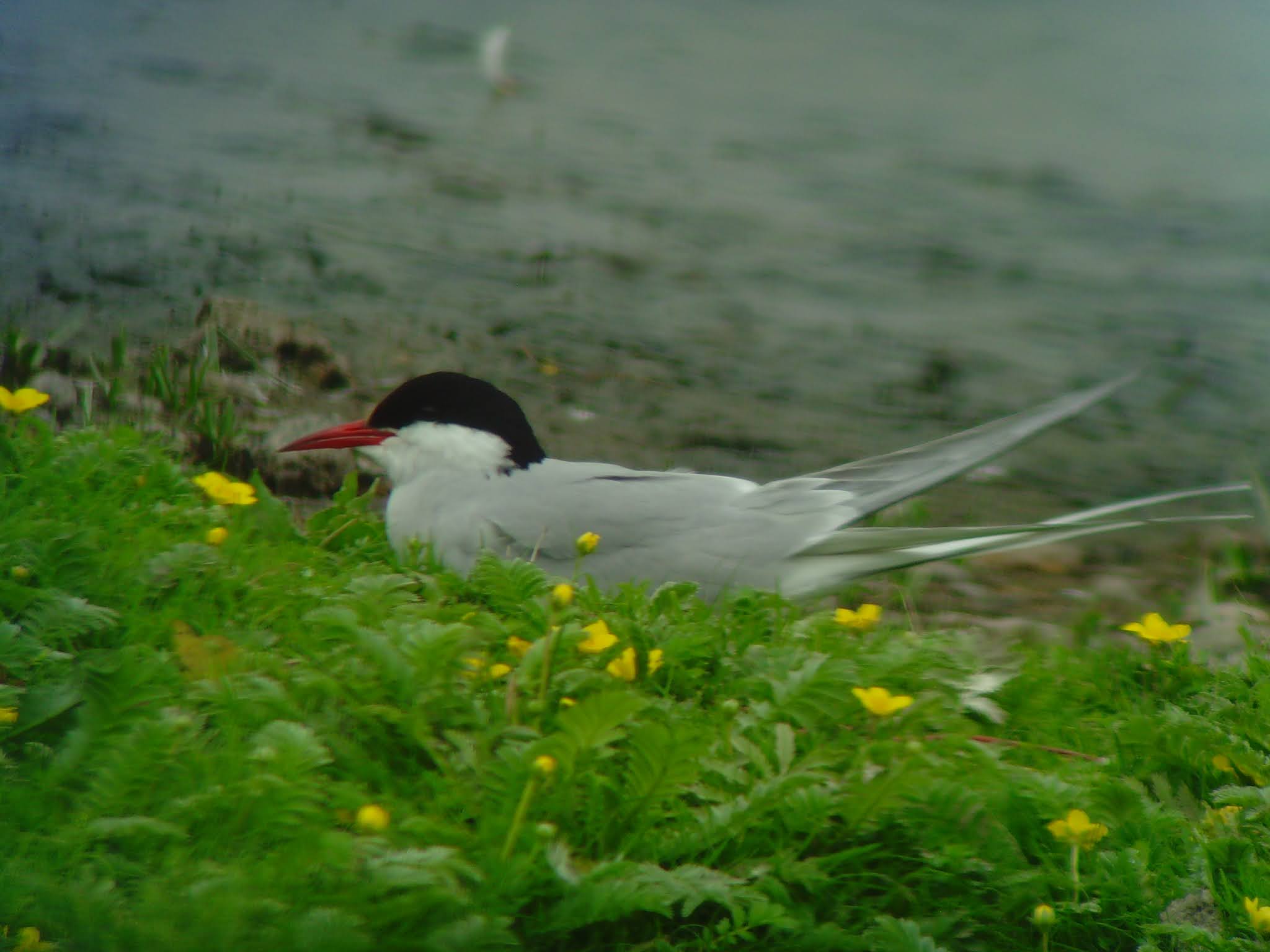
Arctic tern

Tern raft, only out a week and nearly full

Pied wagtail fledgling

Mute swan and 4 cygnets - doomed to not fledge!!

Arctic terns

Arctic tern

Arctic tern

Common tern

The coastal path has added swift and swallow to the list, but is otherwise quiet. Locally the 2021 list struggles on with pheasant, sedge warbler, whitethroat, whimbrel and arctic tern picked up locally, curlew sandpiper and pink-footed goose at WOW and a splendid male hen harrier in the Antrim Hills.

 I  added kestrel, red grouse, goosander and water rail while in England. A walk up Winter Hill a local beauty spot near Bolton started off with a calling cuckoo and for the next two hours it was a constant backdrop to the walk. At one point we had the calling cuckoo, a singing skylark and a red grouse calling as it flew. This was one of those litttle happy moments which will stick in the mind long after all else has gone. I have not seen a kestrel in Northern Ireland this year and struggle to remember the last one I saw and where - I think it was two years ago on Black Mountain.

 In the last day or two we went a-twitching to Woodburn for osprey and Craigantlet for rose-coloured starling - brief/distant views and no pictures unfortunately.

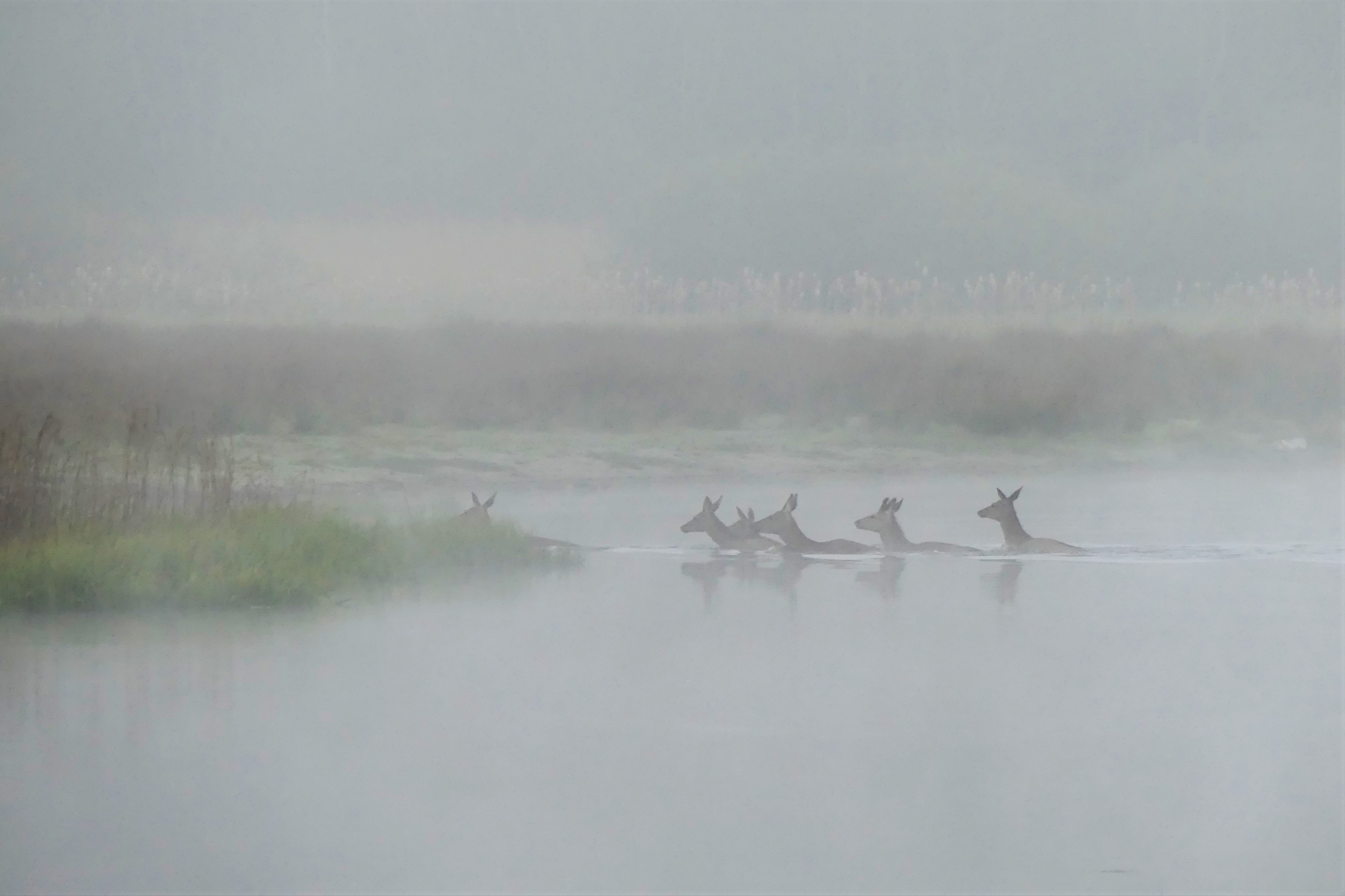
I have done a couple of dawn choruses. The Quoile Pondage produced 41 species and red deer. Highlight was the sheer number of singing warblers. I also did an early start round Elton Reservoir near Bury which was different in that I had a calling tawny owl in daylight at 0630 plus all the usual warbler songs including whitethroat, cetti's and sedge warbler. I was also looking at a lapwing chick alerted by one of the parents seeing off a couple of gulls. While watching the lapwing chick a water rail walked across behind it- happy days!!

Red deer at Finnebrogue on the Quoile

Swimming from the island in the river

Magic!!

2021      
118: Sedge warbler
119: Curlew sandpiper
120: Whitethroat
121: Pink-footed goose
122: Whimbrel
123: Hen harrier
124: Arctic tern
125: Kestrel
126: Red grouse
127: Water rail
128: Goosander
129: Pheasant
130: Osprey
131: Rose-coloured starling

NDCP  
60: Lesser black-backed gull 
61: Swift
62: Swallow

WOW     
54: Common tern  
56: Willow warbler 
57: Blackcap 
58: Sedge warbler 
59: Curlew sandpiper 
60: Pink-footed goose
61:House martin
62: Greenfinch
63: Arctic tern
64: Redpoll


Sunday, 9 May 2021

Rathlin Island

As you can see things are opening up and we had a three hour trip round Rathlin on Saturday in ideal conditions - blue sky, calm sea, light breeze, sunshine and brilliant light. Next month we should be able to land on the island and hear corncrakes for the first time in many years. Since the last post we've been chasing migrants and picked up swift and common tern at WOW, a cuckoo (first since 2014) and a wheatear in the Antrim Hills, a gannet along the coast and a house martin at a local country park. We also managed yellowhammer down the Ards peninsula, the first since one in Northumberland in 2017 and the first locally since pussy was a cat!! Now I know where to look it will not be as long again.The north wind and cold temperatures hasn't helped the local patch, but hopefully there will be a few migrants about  soon.

Antrim Hills

Cuckoo was calling from the top of the pine trees

Wheatear on the phone

The Rathlin trip was low in species but as usual high in quality with close up views of all the target species and  huge numbers of auks flooding back to breed. I didn't chase pictures as the camera is simply not good enough but there are a few nice scenes to give a flavour of the voyage.

South cliffs

South cliffs

Stacks at Bull Point

Common seals

Seals at Rue Point


Rue Point

 There is a whole other dimension to seeing the island and the birds from the sea, sorry you don't get the sound and the smell which adds to the whole experience. Watching puffins and skuas literally yards from the boat is amazing and as for gannets flying overhead in squadrons, enough said. Kintra boats run these three hour cruises from Ballycastle and it is worth checking out their website or facebok or instagram and book yourself on one. 

Here's a little bonus from February, the Carrickfergus ring-billed gull which I forgot to post, it was 86 on my list. 


2021      
105: Swift
106: Common tern
106: Yellowhammer
108: Cuckoo
109: Wheatear 
110: Gannet
111: House martin
112: Razorbill
113: Kittiwake
114: Fulmar
115: Great skua
116: Puffin
117: Manx shearwater

NDCP  
60: Lesser black-backed gull

WOW   
53: Sand martin 
54: Swift 
54: Common tern


Tuesday, 27 April 2021

Spring update

Suddenly realised it's over a month since a blog, then suddenly realised there aren't a lot of pictures to post. I have been out; but not with the digiscoping kit. With WOW closed these's no incentive to lug the stuff round on the off chance of a nice shot. Even took the kit to England and didn't use it as no hides are open there either. So you'll get a spring update, the odd scenic view and a couple of garden birds.

The local patch added sandwich tern, meadow pipit, reed bunting and lesser black-backed gull. I had thought I might add a few more but the wind is north /north-east and cold so there's not much moving here. Everybody else is getting wheatear and whimbrel but North Down is not. 

WOW added a Mediterranean gull and finally a cormorant, but I haven't been there for three weeks. It is due to re-open on May 24th. I had hoped the hides might open this week as outdoor spaces, but some idiot pen-pusher has decided they are indoor spaces. He clearly has not sat in one for an hour on a cold January morning!!

The 2021 list slowly crawled up with long-eared owl and whooper swan nearby, plus chiffchaff, pochard and swallow at Oxford Island. We winged a trip to Bolton for essential child care and did a few local walks in and around Bolton. This added a few gimmes like canada goose, sand martin, willow warbler, nuthatch, dipper and tawny owl. It also added a couple of unexpected bonuses - little ringed plover and cettis warbler at Elton reservoir. I could not find a woodpecker but hopefuly we will be back in England in June and I will once again try and find one. I have been looking locally but clearly in the wrong places. 

Back in Ulster we walked round the Ulster wildlife reserve at Slievenacloy and added skylark with close up views of singing birds. We also had willow warblers, stonechats, meadow pipits and a solitary golden plover in breeding plumage. Haven't been there before but will certainly be back. 

Brent geese close in near Strickland's Glen

Primroses

Chaffinch

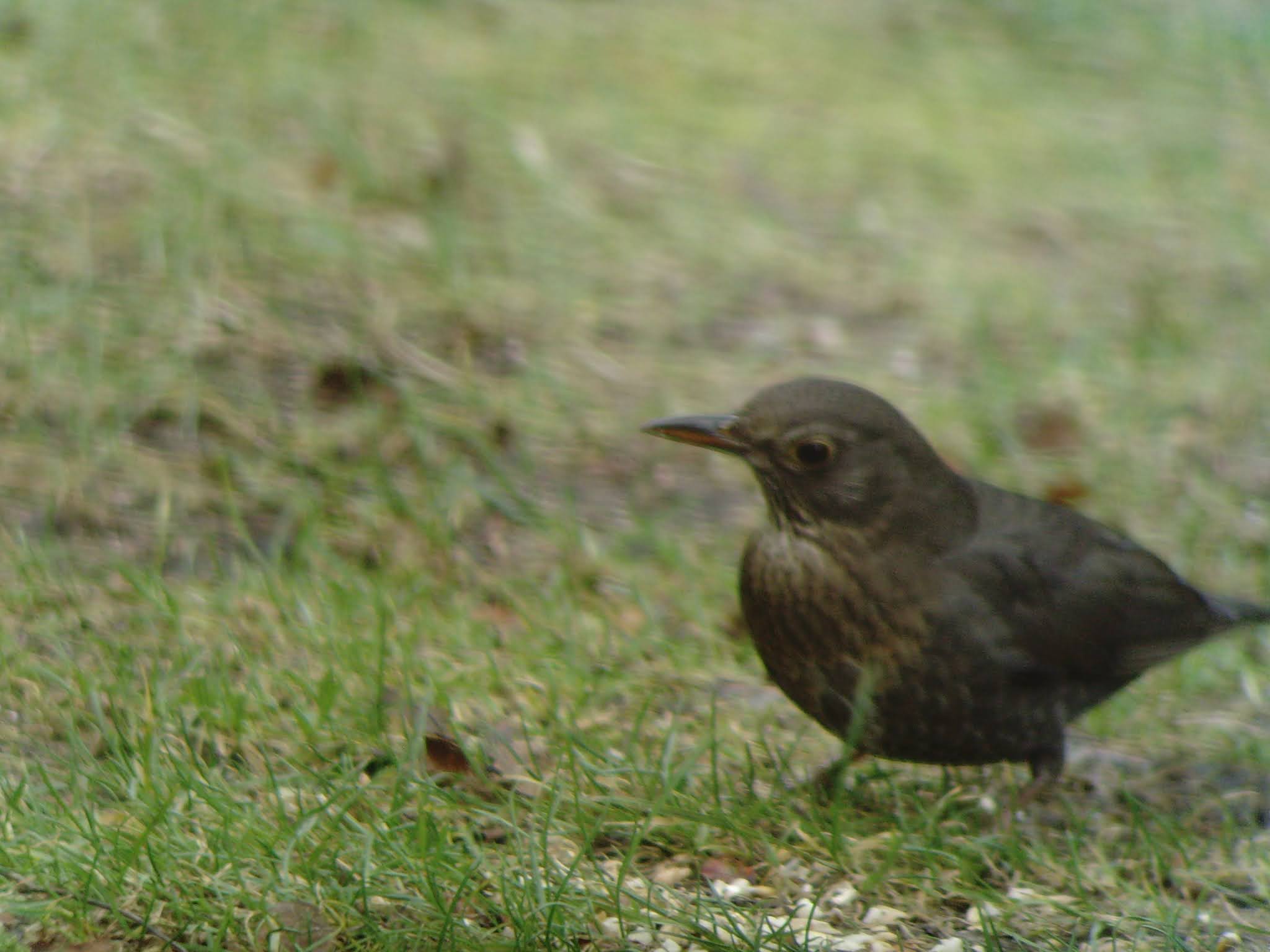
Blackbird

Linnet

The garden has settled down, one blackbird, dunnock, the odd chaffinch, occasional bullfinches and the blackcaps have finally gone. There are still coal, blue and great tits around but in much smaller numbers, even the goldfinches have disappeared. The seed lasts a week and the kibbled peanuts which were being re-filled daily are hardly getting touched at all. I'll finish off with a nice view of the Sixmilewater at Antrim which produced two out of four classic river birds, grey wagtail and grey heron plus willow warbler, chiffchaff, sand matin and swallow. 


2020      
90: Whooper swan
91: Long-eared owl
92: Chiffchaff
93: Pochard
94: Swallow
95: Reedbunting
96: Canada goose
97: Little ringed plover
98: Sand martin
99: Willow warbler
100: Dipper
101: Nuthatch
102: Cetti's warbler
103: Tawny owl
104: Skylark

NDCP    
57: Sandwich tern
58: Meadow pipit
59: Reedbunting
60: Lesser black-backed gull

WOW   
51: Cormorant
52: Mediterranean gull

Wednesday, 17 March 2021

Kingfisher video


I have tried different ways to add this video so as it appears in the blog and you click on it, but it has defeated me. The best I can do is add a link to it on You Tube - I hope it works. You can hear the park noises in the background and just before the end it clearly spots a fish and down it goes. It disappeared round the cormer with its catch and that was that.

https://www.youtube.com/watch?v=8lYxHMydZ64

Not much else to report at present, basically waiting for spring arrivals. Walking has been a bit limited as I tweaked my back lifting a table, continued walking anyway until my back said stop!! Our last two walks we have been hunting woodpeckers and we failed to see or hear them. Otherwise it's garden birds again. The blackcaps are still visiting so it must still be winter!!


2020      
89: Carrion crow

NDCP    
56: Carrion crow

 WOW  
50: Dunlin


Wednesday, 10 March 2021

Garden birds and kingfisher update

Just finished the Birdwatch Ireland survey which unlike the RSPB one off runs for 13 weeks. The idea is that you record the maximum number of birds you see over a week. So if you see 6 blackbirds on a Monday that is your target to beat for that week. It resets on Monday morning. This was interesting as it meant every time you sat down and looked out you might beat an existing target or even better find a new species for that week. I managed 27 species and the usual suspects headed the charts - magpie, blackbird, starling etc.. What proved interesting was when I compared the winter list to the spring/summer list done during the first lockdown

 I had 25 species in both lists, summer and winter: robin, dunnock, house sparrow, linnet, blackbird, woodpigeon, collared dove, magpie, hooded crow, herring gull, greenfinch, chafffinch, goldfinch, great tit, blue tit, long-tailed tit, coal tit, rook, jackdaw, bullfinch, blackcap, starling, wren, goldcrest,  and sparrowhawk.  These are the basic garden birds which I can expect to see at any time of year. Some occur in greater numbers than others, goldcrest is occasional whereas blackbird is daily and in winter I had as many as 12 in the garden. The winter list only added mistle thrush and siskin to this list giving a total of 27. The summer list however added 6 - chiffchaff in the garden and swift, swallow, house martin, lesser black-backed gull and black headed gull as flyovers. So now I know what I can expect to see regularly and what is an unexpected visitor. Interesting to take part in a citizen science programme and to have an idea what a small suburban garden can produce.

Magpie

Blackbird

Great tit

Coal tit

Blue tit

Collared dove

The two patch lists continue to tick over slowly with the North Down list adding a singing song thrush  an offshore great-crested grebe and a carrion crow on the shore. WOW is still off limits as the hides are all closed but I have been having a look round there and Kinnegar as we meet our son in Victoria Park for a walk once a week and I can swing round  Airport Road on the way home. I have again added stuff I should see on a Thursday morning - mute swan, greylag goose, buzzard, lesser black-backed gull, wren, dunnock, magpie, goldfinch, linnet, dunlin and starling!!  The 2021 list crawled up by four with a ring-billed gull in Carrick, a jay on the local golf course, a carrion crow on the coastal path and a redpoll in Victoria Park. This time last year at the beginning of March numbers were as follows, this year in brackets: 

Year list 120 (89)

WOW 67 (50)

NDCP 54 (56)

The year list suffers from an absence of a trip to England and Druridge Bay in particular, WOW suffers from closed hides and lack of a weekly visit. The North Down patch is two up because I am walking it regularly as it is the only thing I am legally allowed to do and it has been well worked. Roll on June/July if and when when things open up. 

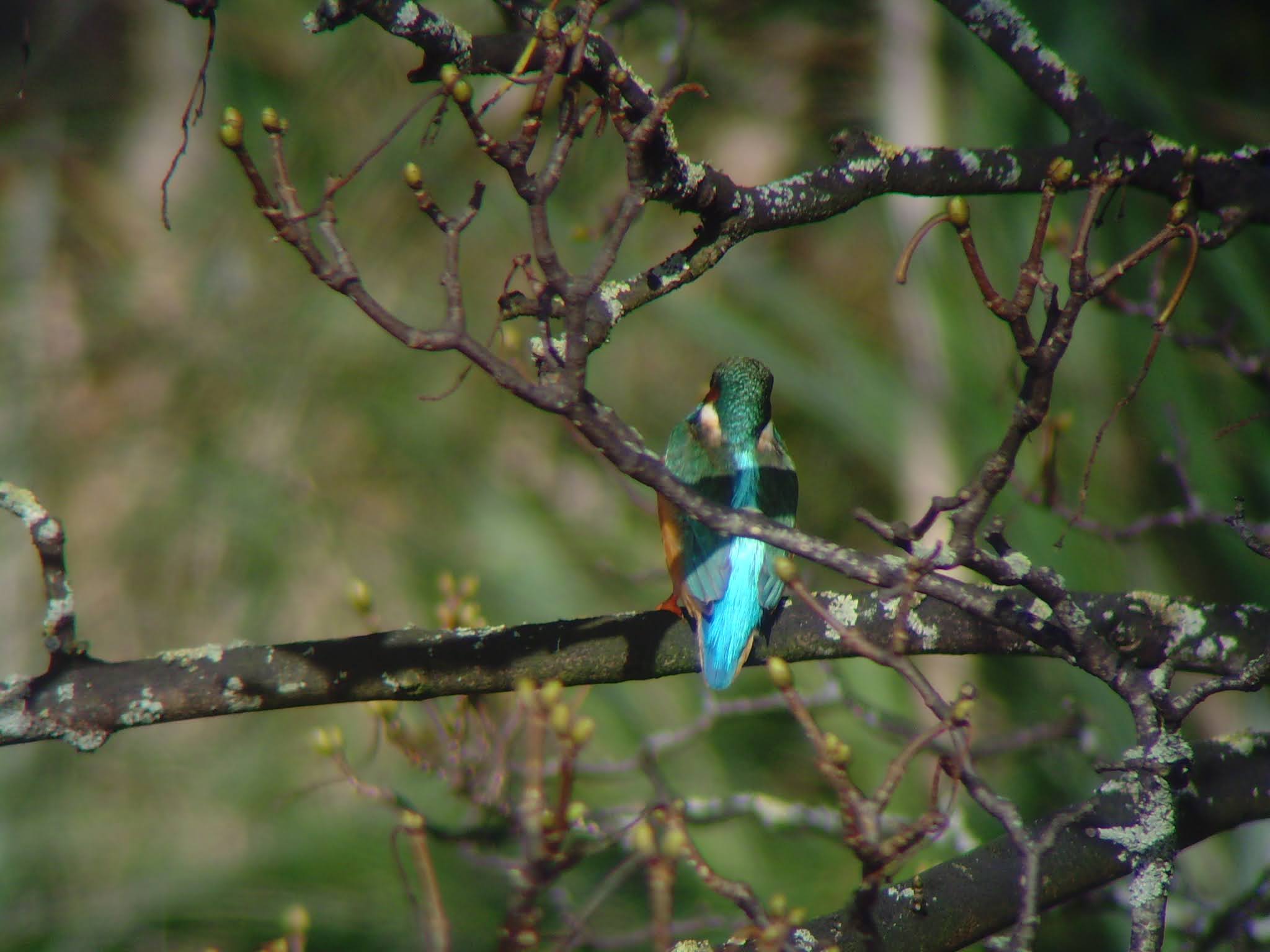
The other big news this bulletin was that I finally caught up with the kingfisher - not in the harbour but in Ward Park. There are two theories on this one, firstly it is the same bird which fishes in the harbour when the tide is low and flies to Ward Park to fish at high tide OR there are two different birds. The harbour bird has been around since September and has also been seen in and around the marina. The Ward Park bird has been regularly seen and is also a female but one seems to have more and brighter orange  on the lower mandible - the jury is still out!! For those of you who do not know Bangor, Ward Park is a typical urban park with caged birds, feral pigeons, feral greylags, a playground and ducks for the kiddies to feed. It is noisy, popular with families, dog walkers and joggers and  easily accessible and is definitely not a place you would expect to see a kingfisher. Whilst I was taking photographs the world and its mother were wandering past totally oblivious to a special bird perched in a tree over the water. I have thrown in a picture or two of Ward Park to give you an idea of how far this is removed from kingfisher habitat. It also hosts  grey wagtail and treecreeper which are more expected in that sort of area. I spent a very pleasant 40/45 minutes following the kingfisher round the large duckpond as it moved from tree to tree looking for fish. As a fellow birder says, "It's better to be lucky then good", and that day I was lucky!!

First view across the pond
Back view obscured by twigs


Better view

Moved again to give the best view


Duck pond in Ward Park

Kingfisher sits in overhanging tree!!
2020     
86: Ring-billed gull 
87: Jay
88: Redpoll
89: Carrion crow

NDCP   
54: Song thrush 
55: Great-crsted grebe 
56: Carrion crow

 WOW 
40: Mute swan
 41: Greylag goose
42: Buzzard
43: Lesser black-backed gull
44: Wren
45: Dunnock
46: Magpie
47: Starling
48: Linnet
49: Goldfinch
50: Dunlin